
Unseen Struggles: ADHD in Women from Diverse Backgrounds
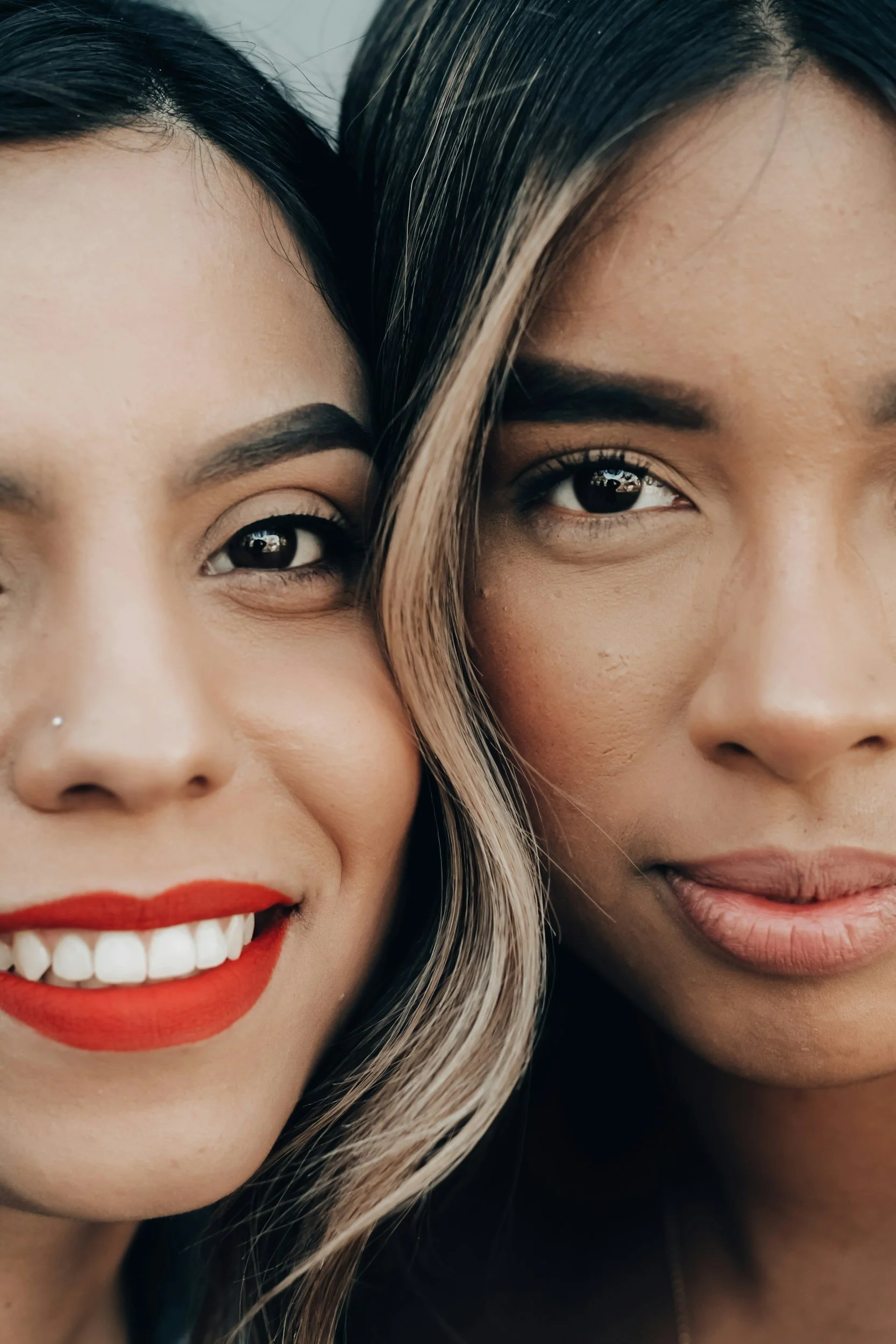
Growing up as a woman from a racially and ethnically diverse background, my academic journey felt like navigating a labyrinth with hidden obstacles. From primary school to high school, I grappled with challenges that seemed effortless for others. Clumsiness left me with scars from frequent falls—some severe enough to knock me unconscious. My illegible handwriting and dread of essay-writing fueled endless frustration. In my culture, academic success wasn’t just expected; it was non-negotiable. My parents enrolled me in weekend tuition and held me to the standard of my high-achieving cousins, leaving no room for failure—only a relentless push for excellence.
School Years: Hidden Struggles Under Cultural Pressure
High school magnified these difficulties. In maths and science classes, I’d daydream or rest my head on the desk, sometimes feigning illness to escape the pressure. Subjects I loved—English, French literature, and German—offered a lifeline, yet the weight of expectations never eased. A teacher’s remark, “You’ve got potential if you’d just try harder,” stung deeply and echoed my parents’ view that I was lazy or academically weak. Their words cemented my sense of inadequacy.
Teachers rarely noticed my struggles. Their focus gravitated toward students who excelled or met the standard, leaving those of us floundering in the shadows. I narrowly escaped repeating Year 11 and had to retake a maths exam—a stark reminder that I didn’t fit the mold. Cultural norms amplified my isolation; sports and extracurriculars took a backseat to study, and skipping school or tuition became my quiet rebellion. Fear of punishment, including physical discipline, drove me to push harder, even as I felt myself unraveling. Socially, I struggled too. Friendships were fleeting and shallow, mirroring my academic disconnection and leaving me adrift.
Adulthood in Australia: A New Landscape of Challenges
Arriving in Australia for university thrust me into uncharted territory. After a sheltered upbringing where family charted my path, managing bills, work, and studies overwhelmed me. Routine tasks others handled with ease were hurdles. I’d arrive late to lectures—sometimes locked out—or skip them entirely if the subject didn’t captivate me. For classes I loved, I showed up on time. Over time, I adapted by aiming to be 30 minutes early for everything, though the waiting often grated, trading one challenge for another.
Why ADHD in Women Often Goes Unseen
Reflecting on my journey, a pattern emerges: undiagnosed ADHD. For women, especially from diverse cultural backgrounds, ADHD often slips under the radar. Cultural expectations—like the academic rigor I faced—mask symptoms, while misconceptions about ADHD in women compound the issue. Unlike the stereotypical hyperactivity seen in boys, women’s symptoms—daydreaming, disorganization, or internalized pressure—blend into the background, unnoticed by educators and families.
A holistic approach to diagnosis is critical. It must go beyond checklists, weaving in cultural context, personal history, and co-existing conditions. Without this, ADHD in women remains a silent struggle.
The Science: Hormones, Mood, and Diagnostic Complexity
Research highlights why diagnosing ADHD in women is so complex. Symptoms intertwine with hormonal shifts and mood disorders, clouding the picture. A 2023 study (Lundin et al.) found that girls and young women with ADHD face a higher depression risk when using oral contraceptives compared to peers without ADHD. Hormonal phases—puberty, menstrual cycles, postpartum, and menopause—further complicate symptoms. For instance, menopause heightens depression risk (Freeman, 2010), yet its link to ADHD remains understudied, as do connections to premenstrual dysphoric disorder (PMDD) and postpartum depression (PPD).
Women with ADHD also experience anxiety and depression more frequently and intensely than men (Solberg et al., 2018). Studies show earlier depression onset, longer episodes, and elevated suicidality in women with ADHD (Fuller-Thomson et al., 2016). Since ADHD symptoms often predate mood disorders (Kessler et al., 2005), it may amplify risks, such as increased depression during pregnancy (Jones et al., 2018).
Differential diagnosis is essential to untangle these overlaps. Anxiety or depression might mimic ADHD, but reviewing childhood behavior through school reports or family insights can clarify the timeline. This thoroughness ensures accuracy, especially given ADHD’s potential to worsen co-occurring conditions.
A Universal Struggle, Beyond Culture
My story, rooted in cultural expectations, resonates beyond my background. Women of European descent—or any heritage—may recognize similar threads: quiet battles, missed opportunities for support, and coping mechanisms like daydreaming. ADHD’s subtler presentation in women transcends culture, making awareness and tailored evaluation essential.
Who Assesses ADHD? A Collaborative Approach
In Australia, both psychologists and psychiatrists conduct ADHD assessments, but the best choice depends on your needs. Psychiatrists, as medical doctors, are ideal for adults seeking medication, particularly when differential diagnosis involves complex conditions like bipolar disorder or severe mood disorders. Psychologists, especially those in clinical or educational/developmental specialties, also assess adults, offering detailed testing and non-medical interventions, particularly when other neurodevelopmental disorders—like autism or learning difficulties—are suspected.
For children and teenagers, educational and developmental psychologists often lead, evaluating academic struggles, social challenges, and developmental milestones using school reports, teacher input, and behavioral observations. Yet the lines blur: both professions assess attention, impulsivity, and executive functioning, and both can diagnose ADHD. Psychologists may refer to psychiatrists for medication, while psychiatrists may rely on psychologists for in-depth testing.
Collaboration is key. Psychologists and psychiatrists working together ensure timely, comprehensive care—psychologists providing detailed assessments and therapy, psychiatrists offering medical oversight when needed. Despite long wait times for psychiatrists, psychologists often offer quicker appointments, making them a practical starting point.
Taking Action: Seeking Clarity and Support
If this resonates, consider an ADHD evaluation—not to label flaws, but to gain insight into yourself. A psychiatrist may suit those seeking medication, while a psychologist is ideal for exploring therapy or other neurodevelopmental factors. At our clinic, we offer tailored assessments for children, teens, and adults, creating a compassionate, culturally sensitive space where your experiences are heard. Our evaluations integrate your history, challenges, and context, collaborating with psychiatrists when needed for accurate diagnosis and personalized support.
Don’t let stigma or logistics deter you. While psychiatrist waitlists can stretch months, our psychology team often has earlier openings. Reach out when you’re ready for the clarity and care you deserve.
Enjoyed this post? Never miss out on future posts by following us!
Book List:
1. “Women with Attention Deficit Disorder” by Sari Solden
2. “The Queen of Distraction: How Women with ADHD Can Conquer Chaos, Find Focus, and Get More Done” by Terry Matlen
3. “A Radical Guide for Women with ADHD: Embrace Neurodiversity, Live Boldly, and Break Through Barriers” by Sari Solden and Michelle Frank
4. “Understanding Women with ADHD: How They Feel and Why They Do What They Do” by Kathleen Nadeau and Patricia Quinn
5. “ADHD According to Zoë: The Real Deal on Relationships, Finding Your Focus, and Finding Your Keys” by Zoë Kessler
6. “Your Life Can Be Better, Using Strategies for Adult ADD/ADHD” by Douglas A. Puryear
7. “Driven to Distraction (Revised): Recognizing and Coping with Attention Deficit Disorder” by Edward M. Hallowell and John J. Ratey
8. “The ADHD Effect on Marriage: Understand and Rebuild Your Relationship in Six Steps” by Melissa Orlov
Online Resources:
Black Girl Lost Keys - A blog and resource hub specifically for Black women with ADHD, offering articles, support groups, and coaching services.
ADDA (Attention Deficit Disorder Association) - Offers resources, webinars, and support groups for adults with ADHD, including specific groups for women and people of colour.
CHADD (Children and Adults with Attention-Deficit/Hyperactivity Disorder) - Provides information, resources, and support for individuals with ADHD, including a section dedicated to women and minorities.
The Kaleidoscope Society - An online community and resource centre for women with ADHD, focusing on empowerment and support.
ADHD Women’s Wellbeing - A podcast and resource platform focusing on the wellbeing of women with ADHD, including episodes and resources for women of colour.
Dr. Russell Barkley - A clinical psychologist and ADHD expert who provides a range of online resources, including research articles, webinars, and books.